Jul 17, 2026OEM/ODM Guides
Blind Box Manufacturing 101: Planning Your First Mystery Box Series
Rarity tiers, packaging, production ratios, and realistic timelines — what IP brands need to plan before launching a blind box series. Avoid the mistakes that delay your first drop.
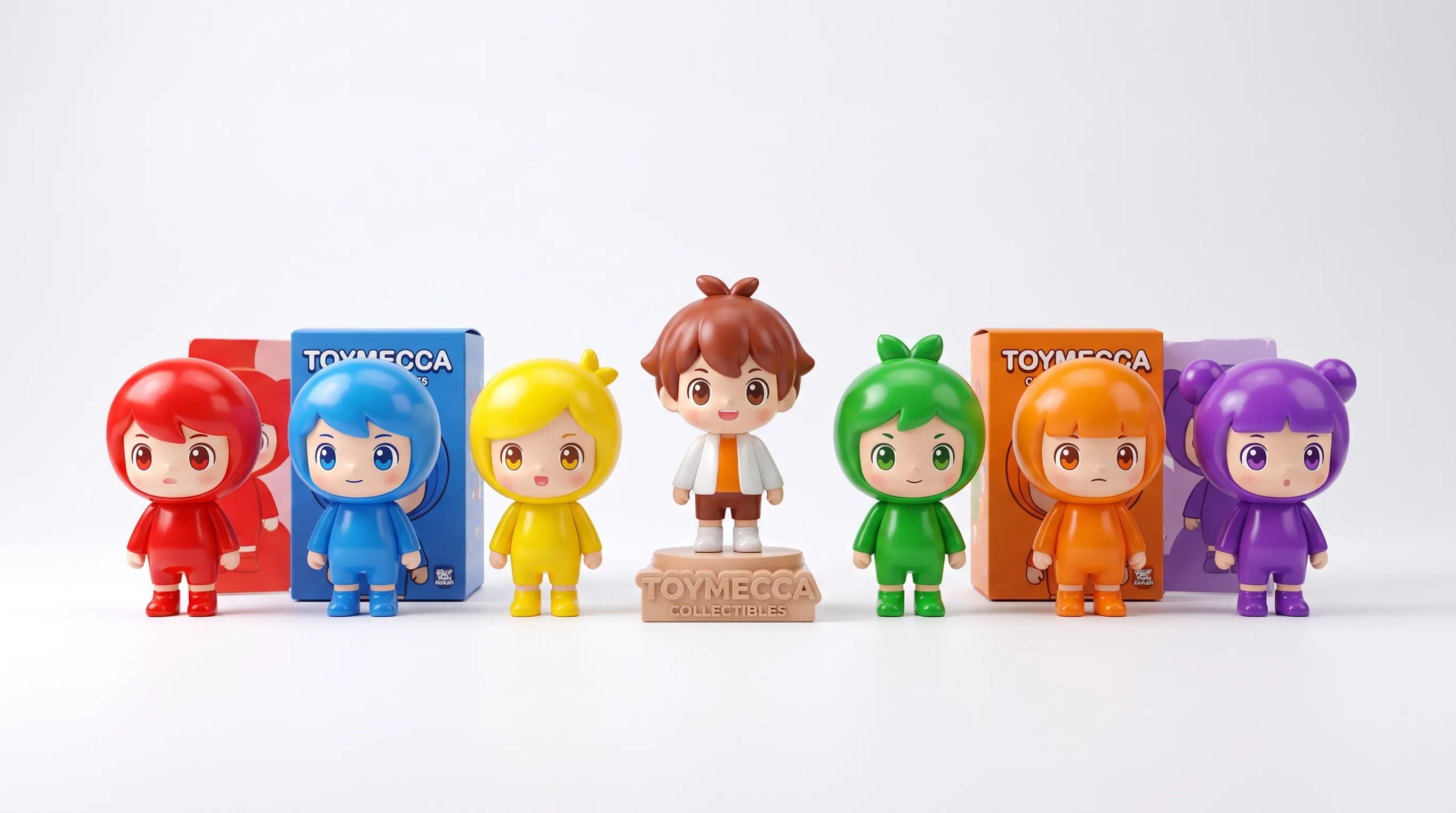
Blind box toys are everywhere now — but behind every successful mystery box series is a planning process that started months before the first unit came off the production line.
If you're an IP brand or designer studio planning your first blind box launch, here's what you need to think through before you talk to a factory.
How many characters per series?
Most blind box series include 6-12 character designs, plus 1-2 secret chase editions. Twelve is the sweet spot: enough variety to make collecting fun, not so many that tooling costs become unmanageable.
Secret editions — characters not shown on the packaging — are what drive collector urgency. A common structure: 10 standard characters + 1 secret (1/72 odds) + 1 ultra-secret (1/144 odds). The rarer the chase figure, the more units collectors will buy trying to find it.
Rarity tier math
You need to decide the production ratio for each character before manufacturing starts. Example for a 12-figure series:
- 10 standard figures: 8,000 pcs each = 80,000 total
- 1 secret figure: 1,200 pcs (1/72 odds per box)
- 1 ultra-secret: 600 pcs (1/144 odds)
The manufacturer needs these numbers to plan injection runs. You can't change them after production starts.
What's in the box
A standard blind box contains:
- The figure itself (PVC, typically 4-9cm tall)
- A character card (printed inner card with artwork and rarity info)
- Sometimes a small accessory (stand, prop, or interchangeable part)
The box is sealed in a blind foil bag — the "mystery" element that prevents retail customers from peeking. Some brands use colored foil; most use matte silver or gold.
Packaging design: more important than you think
Four packaging decisions that affect both cost and retail experience:
- Box material: Rigid paper box vs. flexible blind bag. Boxes cost more but protect figures during shipping. Most mid-to-premium series use boxes.
- Display tray: Retailers need a counter display that holds 12-24 boxes and communicates the series theme. Plan tray dimensions early — they determine your shipping carton layout.
- Foil seal: Heat-sealed blind foil bag. Must be opaque enough to prevent "box weighing" (some collectors weigh boxes to find heavier chase figures).
- Inner card: A small printed card inside each box. Shows the character artwork, name, rarity level, and collection checklist on the back.
Packaging design typically takes 7-10 days. Start this in parallel with mold making to avoid timeline delays.
Production timeline (realistic)
Total: about 10-11 weeks from artwork to delivered product.
MOQ and budget benchmarks
- Figure molds: $800-2,500 per character (credited back above 5,000 pcs)
- Packaging design + tooling: $500-1,500 (one-time)
- Unit production cost: $0.50-2.00 per figure (varies by size, paint complexity, order volume)
- Minimum order: 3,000 pcs per series (500 pcs per character × 6 minimum)
One mistake to avoid
Don't order all 12 characters in equal quantities. That's what first-time brands do — and it's why they end up with overstock of unpopular designs. Work with your manufacturer to adjust production ratios based on character popularity from early samples or focus groups.
What to ask your manufacturer
Before signing a contract, ask:
- Have you produced blind box series before? (Ask for photos.)
- What's your defect rate on painted PVC figures? (Under 2% is standard.)
- Do you handle packaging design in-house or outsource it?
- Can you split shipments — air freight for an initial launch batch, sea freight for the rest?
A good factory answers these questions with numbers, not vague reassurances.